 All articles
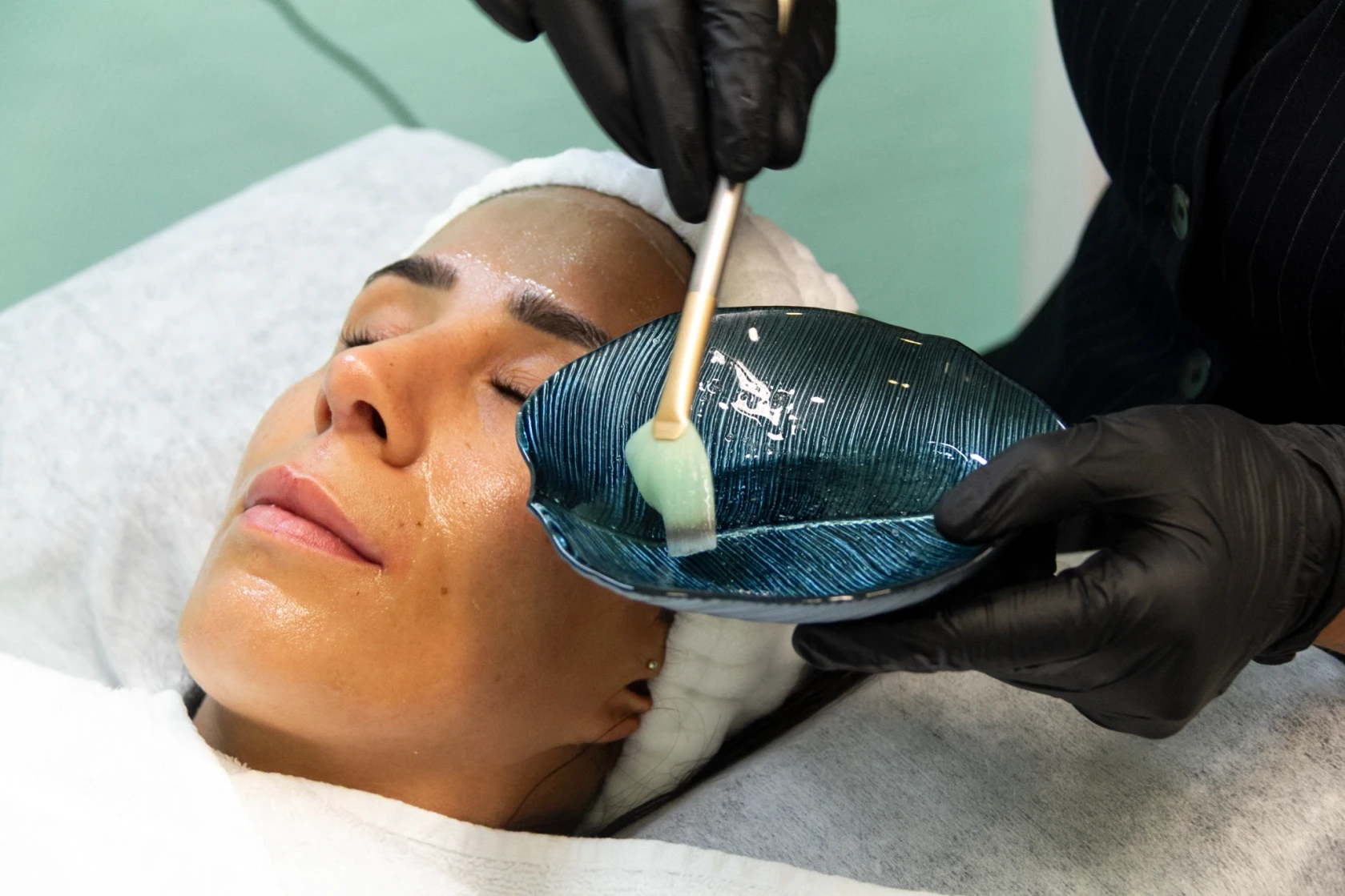
What exactly is a fruit acid peel?
The term fruit acids refers to alpha hydroxy acids (AHAs). Originally derived from fruit, they are now usually produced synthetically for precise control of purity and concentration.
Professional peels use different acids according to skin type:
Glycolic acid
- very small molecular structure
- penetrates deeply
- suitable for fine lines, pigmentation and dullness
Lactic acid
- a gentler action
- also supports moisture retention
Mandelic acid
- larger molecules
- slower penetration
- well suited to sensitive or blemish-prone skin
Salicylic acid (BHA) is often added. It is oil-soluble and can enter pores, making it particularly useful for acne or oily skin.
Effectiveness depends on concentration and especially pH. Professional peels are usually between pH 2.5 and 3.5. A lower pH produces a more intensive effect.
How does a fruit acid peel affect the skin?
Fruit acids loosen the bonds between dead cells in the upper layer. This is a chemical rather than mechanical process.
The effects:
- Faster cell renewal
- Refined pores
- Reduced surface thickening
- A more balanced complexion
- Support for collagen production
Afterwards, skin looks clearer and more even, and absorbs skincare products more readily.
How often should a fruit acid peel be performed?
Frequency depends on skin condition and the treatment goal.
-
Mild blemishes or dullness:
Treatment every 3–4 weeks. -
Acne or more pronounced thickening:
A course of 4–6 sessions at intervals of 2–3 weeks. -
Pigmentation or early fine lines:
Several sessions around 3 weeks apart.
Allow adequate recovery between intensive courses. Over-frequent application can weaken the barrier and encourage irritation.
Skin reactions & recovery
Mild redness or warmth is common after a peel. More intensive treatments may cause fine flaking over the following days.
Typical recovery periods:
- 1–2 days after mild peels
- 3–5 days after stronger treatments
Skin is more UV-sensitive during this period, making sun protection essential.
Skincare after a peel
Consistent aftercare is essential for an even result.
Key steps include:
- Daily sunscreen, at least SPF 30
- Moisturising, non-irritating care
- Avoiding retinol and further exfoliation for several days
- Avoiding intense sun exposure and saunas
After a peel, skin absorbs products well but is more sensitive. Gentle barrier-supporting care helps recovery.
Seasonal considerations in Heidelberg
In Heidelberg's distinct seasons, skincare needs change throughout the year.
-
Autumn and winter:
Suitable for more intensive peeling courses. -
Spring:
Preparing skin for stronger sun exposure. -
Summer:
Mild peels only, with consistent UV protection.
Avoid overloading the skin, particularly in the sunniest months.
Conclusion
An fruit acid peel is more than surface cleansing. It targets cell renewal and can improve the complexion over time with regular, individually tailored use. Choosing the right acid, suitable intervals and consistent aftercare is essential. At Studio Ginié, every peel is tailored to skin type, season and goals, creating a controlled, effective process focused on long-term skin health.